Medical Treatments
Botulinum Toxin
Botulinum toxin is a neurotoxin produced by the bacterium Clostridium botulinum. Purified and highly controlled formulations of botulinum toxin have become valuable therapeutic agents. By blocking the release of acetylcholine at the neuromuscular junction, the toxin temporarily inhibits muscle contraction, resulting in muscle relaxation.
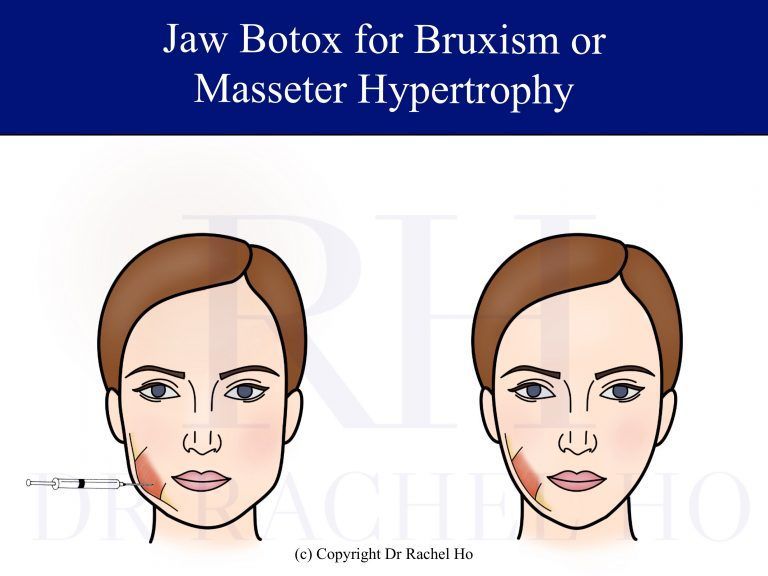
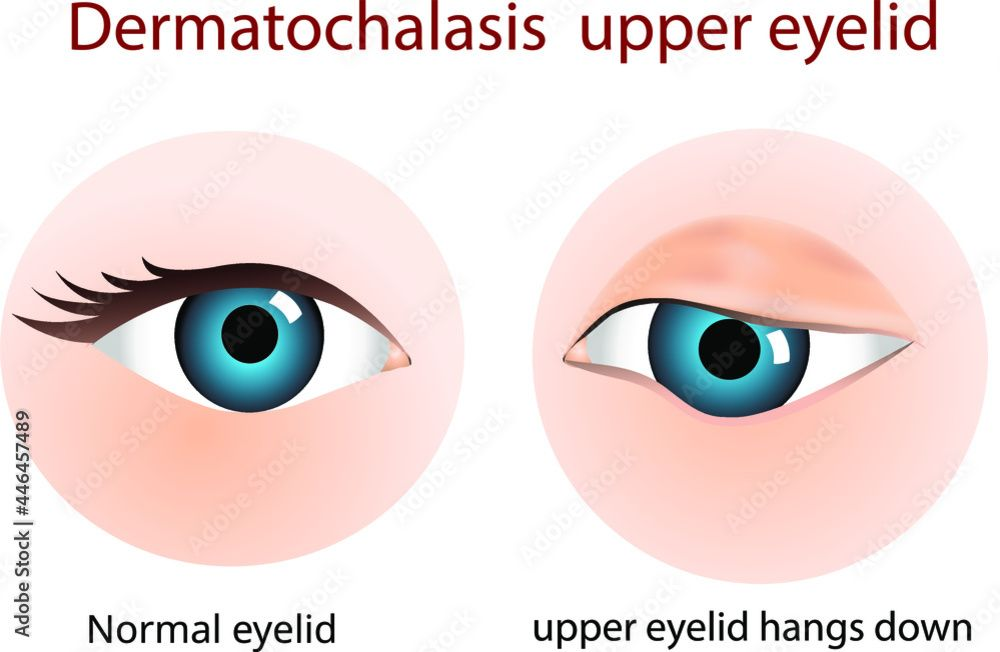
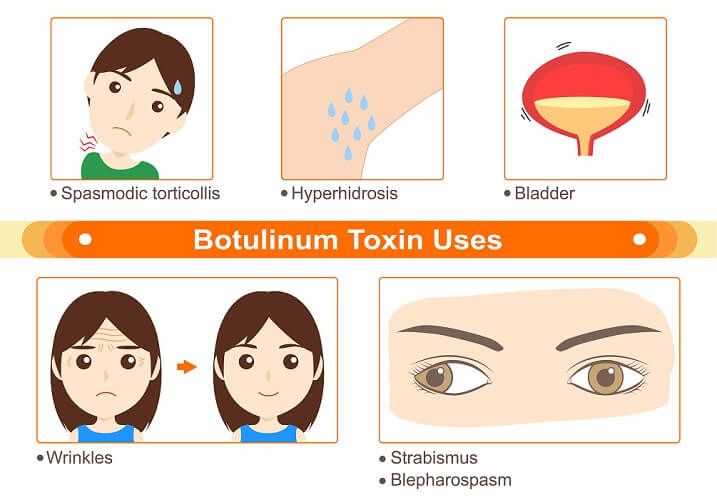
Since its first medical applications in the late 20th century, botulinum toxin has been widely used for the treatment of various neurological, autonomic, muscular, ophthalmological, urological and dermatological conditions. It is an effective and well-established treatment. Common therapeutic indications include cervical dystonia, blepharospasm, spasticity, chronic migraine, dermatochalasis, eyelid (and brow) ptosis, neuralgia, dystonia, hemifacial spasm, Bell’s palsy, bruxism, TMJ dysfunction, hyperhidrosis, and overactive bladder.
Several serotypes of botulinum toxin exist, with serotype A being the most commonly used in clinical practice. Commercial preparations include products such as Botox®, Xeomin/Bocouture®, Dysport®, and others. When administered by trained healthcare professionals at appropriate doses, botulinum toxin is generally considered safe and effective, with effects that are reversible and typically last for several months. Thereafter nerve function recovers and as a result repeat treatments are often required to maintain clinical benefit.
The widespread use of botulinum toxin has significantly advanced therapeutic medicine, offering minimally invasive treatment options that can improve function, alleviate symptoms, and enhance quality of life. In more recent times it has also been involved in aesthetic medicine.